Boosting Website Traffic: A Comprehensive Guide to Increase Web Blog Visitors
Are you struggling to get more traffic on your web blog? Do you want to increase your online visibility and reach a wider audience? In this tutorial, we will walk you through the steps to boost website traffic and provide you with actionable tips and strategies to grow your web blog. You will learn how to increase website traffic organically, improve your search engine rankings, and drive more visitors to your site. By the end of this guide, you will have a clear understanding of how to get more traffic on your web blog and take your online presence to the next level.
Step 1: Optimize Your Website for SEO to Increase Website Traffic
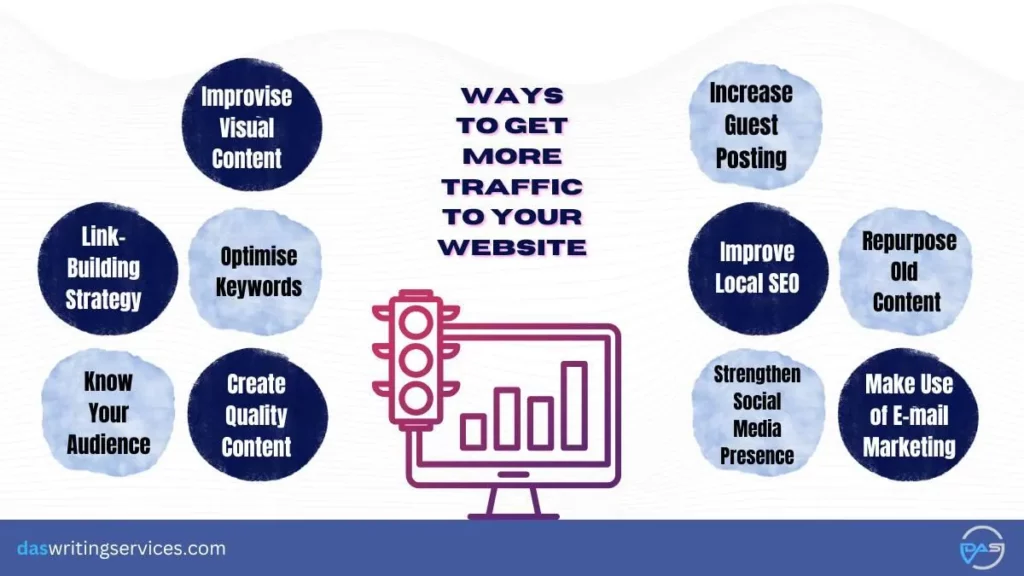
Search Engine Optimization (SEO) is crucial for increasing website traffic. To optimize your website for SEO, start by conducting keyword research to identify relevant keywords and phrases your target audience uses to search for content like yours. Use tools like Google Keyword Planner or Ahrefs to find the best keywords for your web blog. Once you have your keywords, incorporate them into your website's meta tags, titles, descriptions, and headings. Make sure your website is mobile-friendly, has fast loading speeds, and is secure (HTTPS). For example, if your web blog is about fashion, your keyword research might reveal that "summer fashion trends" is a popular search term. You can then optimize your website's title, description, and headings to include this keyword.

Step 2: Create High-Quality and Engaging Content to Drive Website Traffic
Creating high-quality and engaging content is essential for driving website traffic. Your content should be informative, entertaining, and relevant to your target audience. Use attention-grabbing headlines, concise paragraphs, and high-quality images to make your content stand out. Make sure your content is well-researched and provides value to your readers. Use internal and external linking to enhance your content and improve user experience. For instance, if you're writing about "summer fashion trends," you can include internal links to other relevant articles on your web blog, such as "summer outfit ideas" or "fashion tips for hot weather." You can also include external links to authoritative sources, such as fashion magazines or style blogs.
Step 3: Leverage Social Media to Increase Web Blog Traffic
Social media is a powerful tool for increasing website traffic. Create social media accounts on platforms like Facebook, Twitter, Instagram, and LinkedIn, and share your content with your followers. Use hashtags to increase the visibility of your posts and engage with your audience by responding to comments and messages. Share user-generated content, behind-the-scenes stories, and exclusive deals to keep your followers interested. For example, if you have a fashion web blog, you can share photos of your readers' summer outfits on Instagram and ask them to use a specific hashtag. You can also collaborate with influencers or other web bloggers in your niche to reach a wider audience.

Step 4: Build High-Quality Backlinks to Boost Website Traffic
Backlinks are links from other websites to your website, and they play a critical role in increasing website traffic. To build high-quality backlinks, focus on creating linkable assets, such as infographics, eBooks, and whitepapers. Reach out to other web bloggers and offer to write guest posts in exchange for a link back to your website. Participate in online communities related to your niche and include a link to your website in your signature. For instance, if you have a web blog about fashion, you can create an infographic about "summer fashion trends" and share it on other fashion web blogs or websites. You can also offer to write a guest post for a popular fashion web blog and include a link to your website in your author bio.

Step 5: Utilize Email Marketing to Drive Website Traffic
Email marketing is an effective way to drive website traffic. Build an email list by creating a sign-up form on your website and offering incentives, such as exclusive content or discounts, to encourage visitors to subscribe. Create regular newsletters that include links to your latest content, promotions, and events. Use email marketing automation tools to personalize your emails and improve engagement. For example, if you have a fashion web blog, you can create a newsletter that showcases your latest summer fashion trends and includes exclusive promotions or discounts for your subscribers.

Step 6: Analyze Your Website Traffic to Improve Results
Analyzing your website traffic is crucial to understanding what's working and what's not. Use tools like Google Analytics to track your website traffic, engagement, and conversion rates. Monitor your website's bounce rate, average session duration, and pages per session to identify areas for improvement. Use this data to refine your SEO strategy, content creation, and marketing efforts. For instance, if you notice that your website has a high bounce rate, you can refine your content and user experience to keep visitors engaged. If you notice that your website has a low conversion rate, you can optimize your call-to-actions and landing pages to improve results.

Step 7: Stay Up-to-Date with the Latest Trends and Best Practices
Staying up-to-date with the latest trends and best practices is essential for increasing website traffic. Follow industry leaders, web bloggers, and experts to stay informed about the latest developments in SEO, content creation, social media, and email marketing. Attend webinars, conferences, and workshops to learn from experts and network with other web bloggers. Read industry blogs and publications to stay current with the latest trends and best practices. For example, if you have a fashion web blog, you can follow fashion influencers, web bloggers, and industry leaders to stay informed about the latest fashion trends and best practices.

Frequently Asked Questions
Q: How long does it take to see results from SEO efforts?
A: SEO is a long-term strategy, and it can take several months to see significant results. However, by consistently creating high-quality content and optimizing your website for SEO, you can start to see improvements in your website traffic and search engine rankings within a few weeks.
Q: What is the best way to build backlinks?
A: The best way to build backlinks is to create high-quality, linkable assets, such as infographics, eBooks, and whitepapers. You can also participate in online communities related to your niche and include a link to your website in your signature. Guest blogging and collaborating with other web bloggers are also effective ways to build backlinks.
Q: How often should I post new content on my website?
A: The frequency of posting new content depends on your target audience and niche. However, as a general rule, it's recommended to post new content at least once a week. This can help keep your audience engaged and attract return visits to your website.
How To Get More Traffic For Your Blog? | Productive Shop
How to get more traffic for your blog? | Productive Shop
How To Get More Traffic To Your Website - VentraIP Blog

How To Get More Traffic To Your Website - VentraIP Blog
How To Get More Blog Traffic

How to Get More Blog Traffic